


Artificial intelligence is transforming how consumers discover, compare, and purchase products online. In 2026, AI is no longer experimental — it is embedded in search tools, product recommendations, and customer service systems across ecommerce platforms.
However, as AI adoption increases, transparency, data protection, and accurate product representation remain essential to maintaining customer trust.
This article explains how AI shopping tools work, how they improve the customer experience, and what responsible implementation looks like.
What Are AI Shopping Tools?
AI shopping tools use data and machine learning to improve how customers interact with online stores.
Common examples include:
-
Smart product recommendations
-
Predictive search suggestions
-
Personalized homepage displays
-
Automated customer support chat
-
Inventory forecasting systems
These tools analyze browsing behavior, search queries, and past purchases to help customers find relevant products more efficiently.
When implemented responsibly, AI improves usability without compromising transparency.
1️⃣ Personalized Product Recommendations

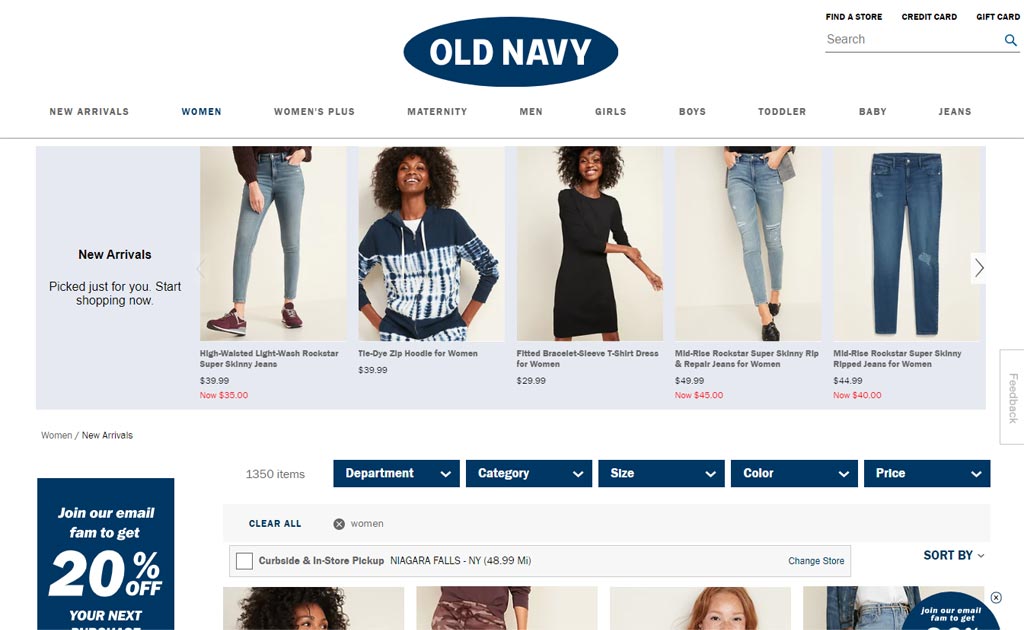

Instead of browsing through hundreds of items, customers may see:
-
Related accessories
-
Recently viewed products
-
Popular items within a category
-
Complementary purchases
Responsible retailers ensure that recommendations are:
✔ Based on browsing patterns
✔ Clearly labeled
✔ Not misleading
✔ Consistent with available inventory
Personalization should improve clarity — not create confusion.
2️⃣ Smart Search & Predictive Results


-
Auto-complete search terms
-
Correct spelling errors
-
Suggest related categories
-
Prioritize relevant results
This reduces frustration and improves navigation.
Accurate product tagging and clear specifications remain critical. AI cannot compensate for inaccurate listings.
Search accuracy depends on transparent product data.
3️⃣ AI Chat Assistance & Customer Support


-
Product questions
-
Order tracking
-
Shipping updates
-
Return instructions
Responsible ecommerce operations ensure:
✔ Clear identification when chat is automated
✔ Escalation to human support when needed
✔ Accurate policy references
✔ Secure handling of personal information
Automation should enhance — not replace — accountable customer service.
4️⃣ Data Transparency & Privacy Considerations
AI systems rely on data to function effectively. This makes privacy practices critically important.
Customers should be able to understand:
-
What data is collected
-
How it is used
-
How it is stored
-
How they can request access or deletion
Retailers must publish a clear Privacy Policy and ensure secure data processing standards.
Personalization must always align with privacy regulations and platform requirements.
5️⃣ The Balance Between Innovation & Compliance
AI improves:
✔ Product discovery
✔ Navigation efficiency
✔ Order accuracy
✔ Customer engagement
But innovation must align with:
-
Transparent policies
-
Accurate product descriptions
-
Secure checkout systems
-
Verified business identity
Advertising platforms and payment processors increasingly evaluate operational transparency in addition to marketing performance.
Responsible AI use strengthens long-term stability.
What This Means for Online Shoppers
AI shopping tools are designed to:
-
Reduce search time
-
Improve relevance
-
Simplify decision-making
-
Enhance overall shopping efficiency
However, shoppers should still:
✔ Review product specifications carefully
✔ Confirm pricing before checkout
✔ Check return policies
✔ Verify store contact information
Technology improves convenience, but informed decision-making remains important.
Final Perspective
AI personalization is shaping ecommerce in 2026, but trust remains the foundation of digital retail.
Online stores that combine intelligent tools with transparent policies, secure systems, and accurate product information provide the strongest customer experience.
Innovation and compliance are not competing priorities — they are complementary.
When technology supports transparency, ecommerce becomes more efficient and more reliable for everyone.


